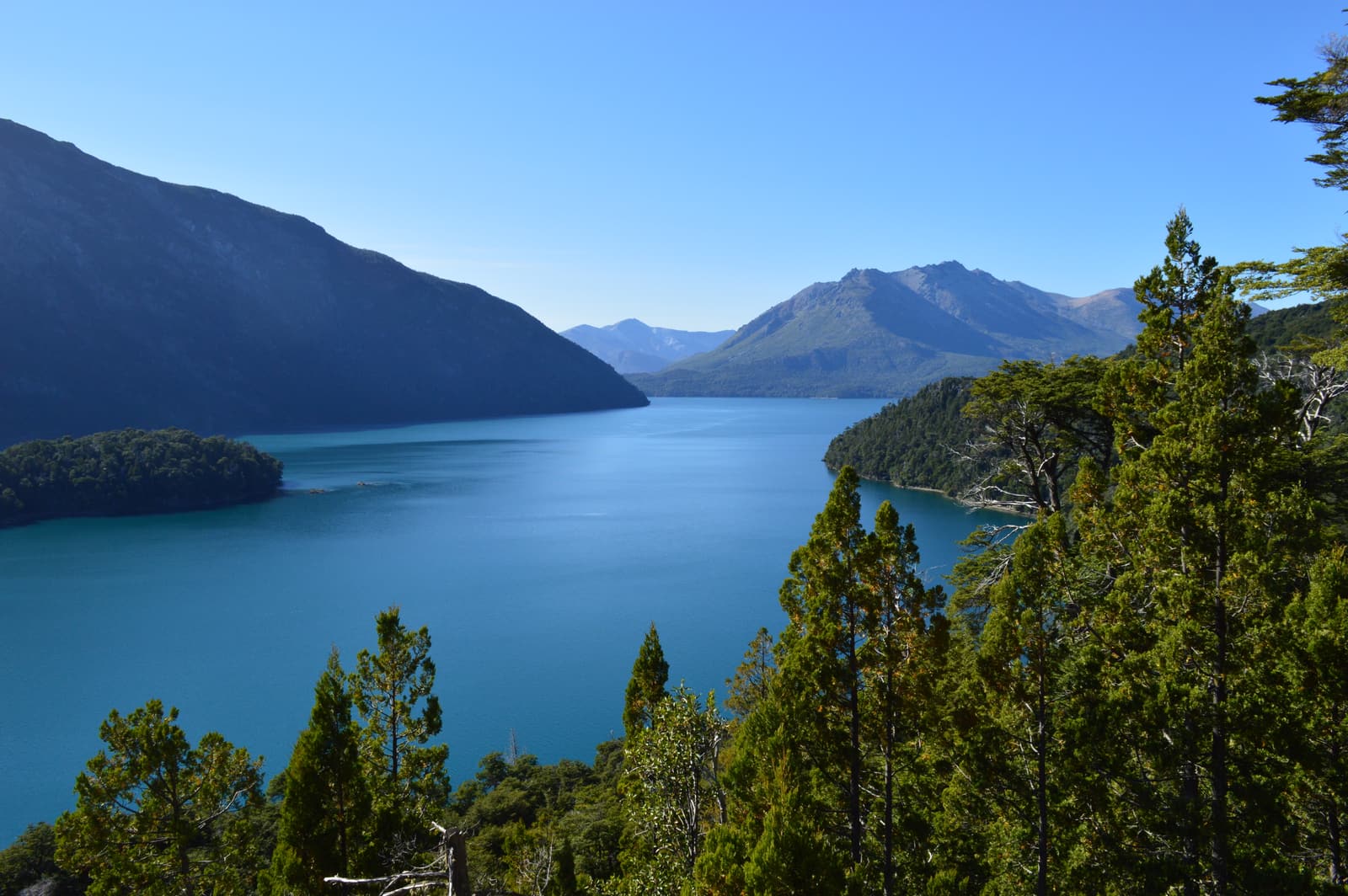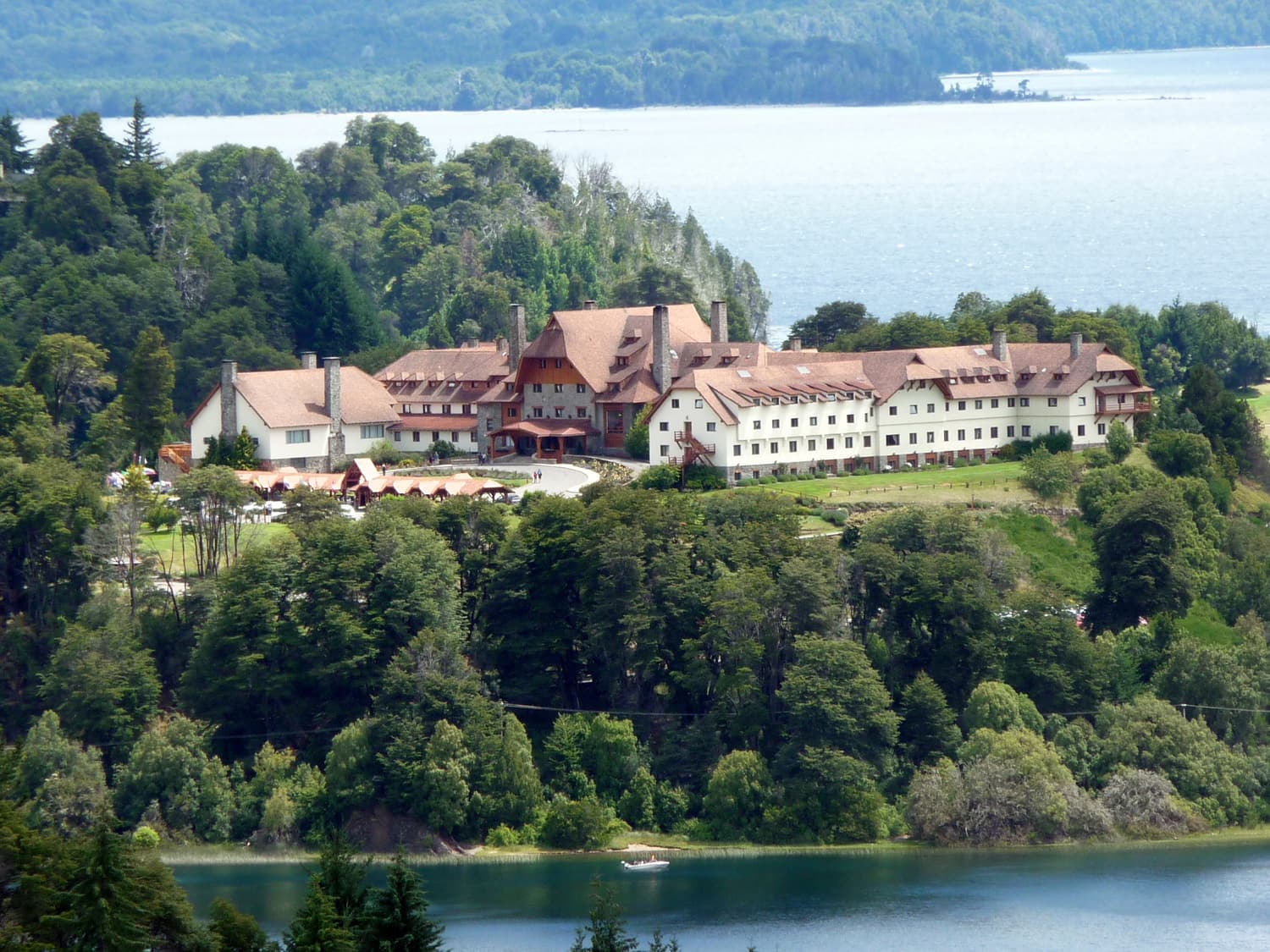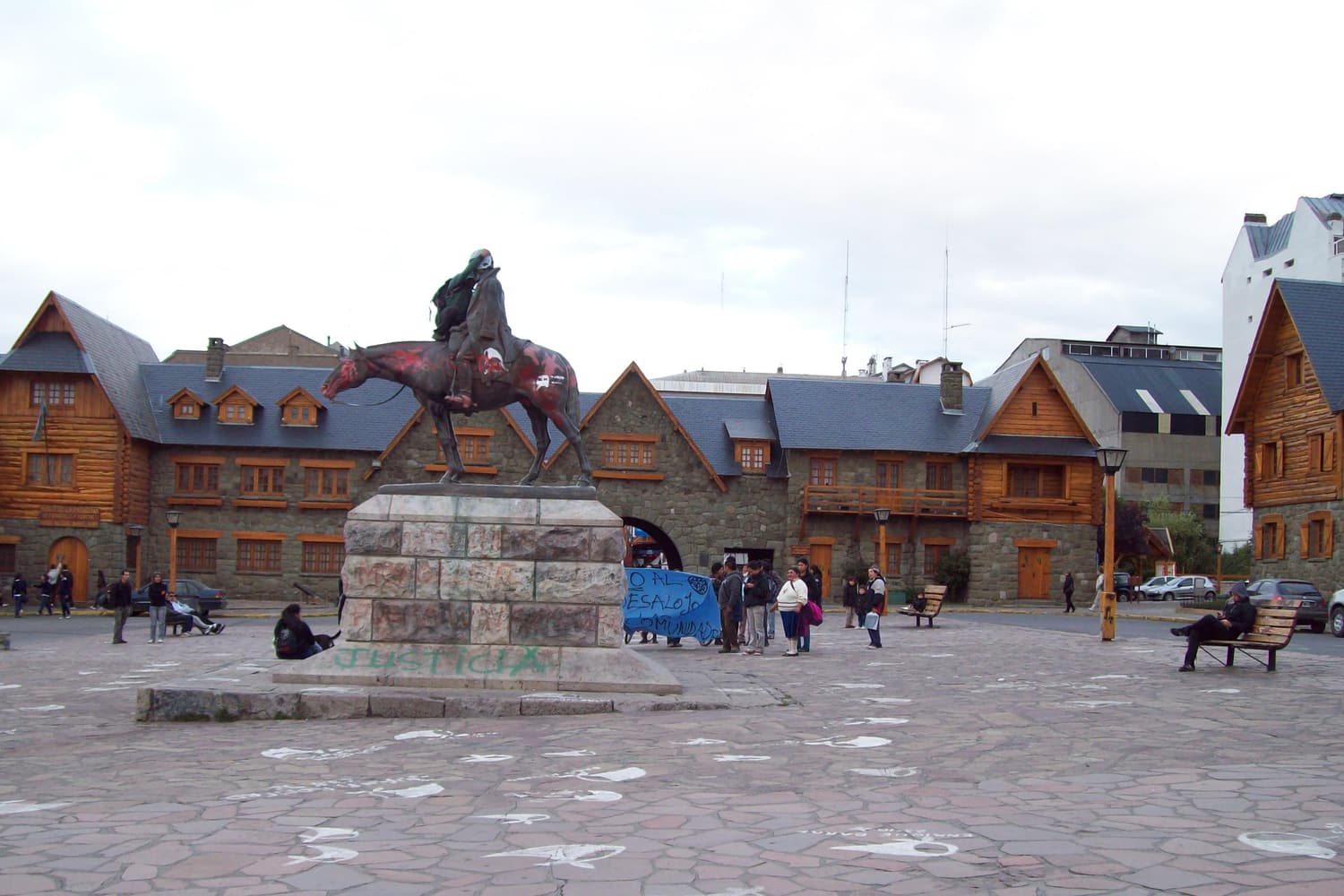
San Carlos de Bariloche is where almost every trip into Nahuel Huapi National Park begins. Founded by German-speaking and Chilean settlers on the south shore of the lake, it grew into Argentina’s favourite mountain resort in the 1930s, when the national parks authority commissioned the stone-and-timber Centro Cívico and the Llao Llao Hotel to give it an alpine identity.
Today it is a busy city of around 130,000 people rather than a village, but the lakefront, the chocolate shops of Calle Mitre and the brewpubs that line the road west keep its holiday feel. Use it as your base: every boat trip, ski bus and day tour in this guide starts here. Compare Bariloche tours.
Top things to do at San Carlos de Bariloche
Centro Cívico and the Museo de la Patagonia
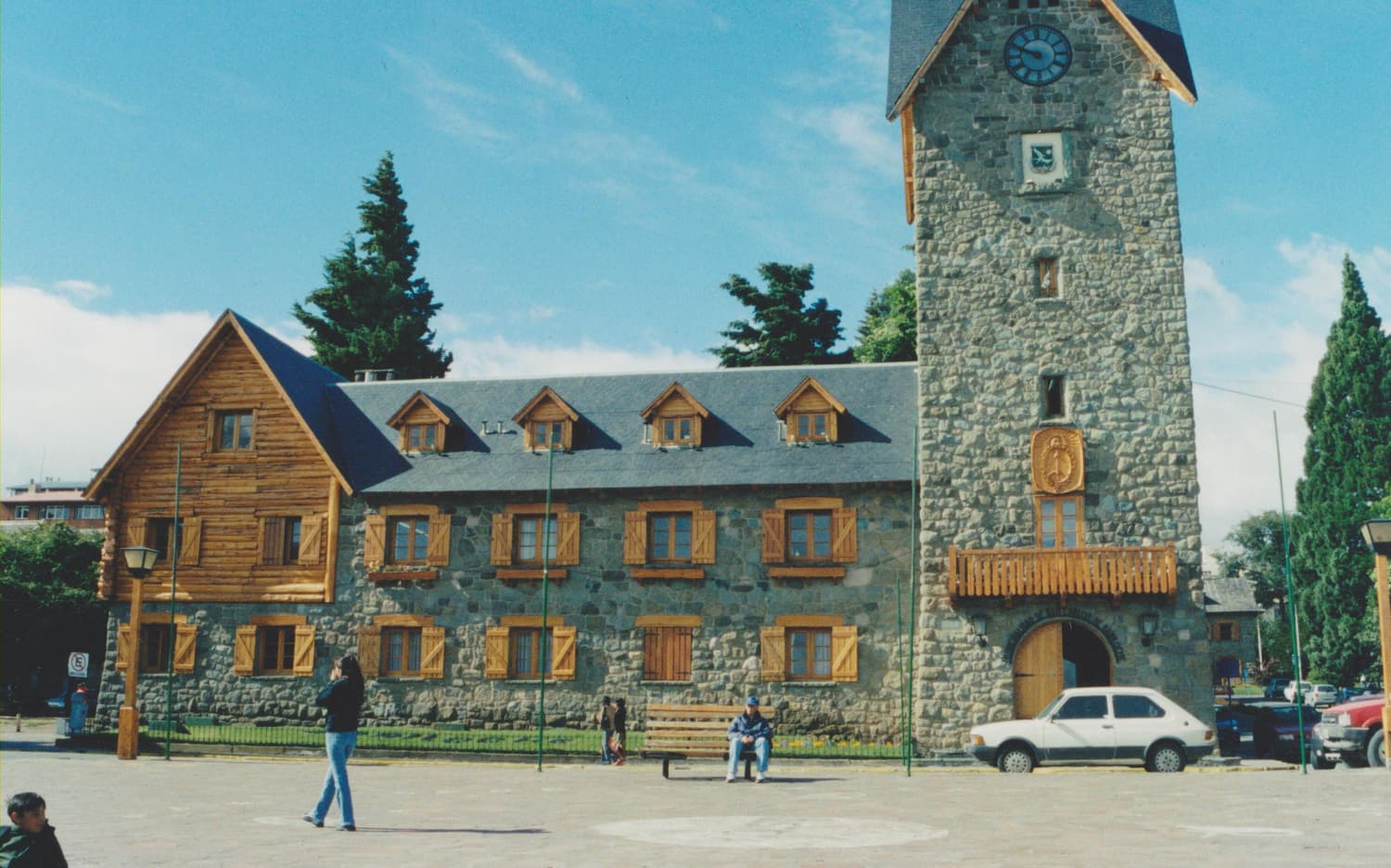
The civic square, designed by Ernesto de Estrada and opened in 1940, is built from local green stone and cypress wood, with a clock tower and an open view of the lake. The Museo de la Patagonia on the square covers the region’s geology, the Mapuche and Tehuelche peoples and the settler era — a good first hour in town.
Chocolate on Calle Mitre
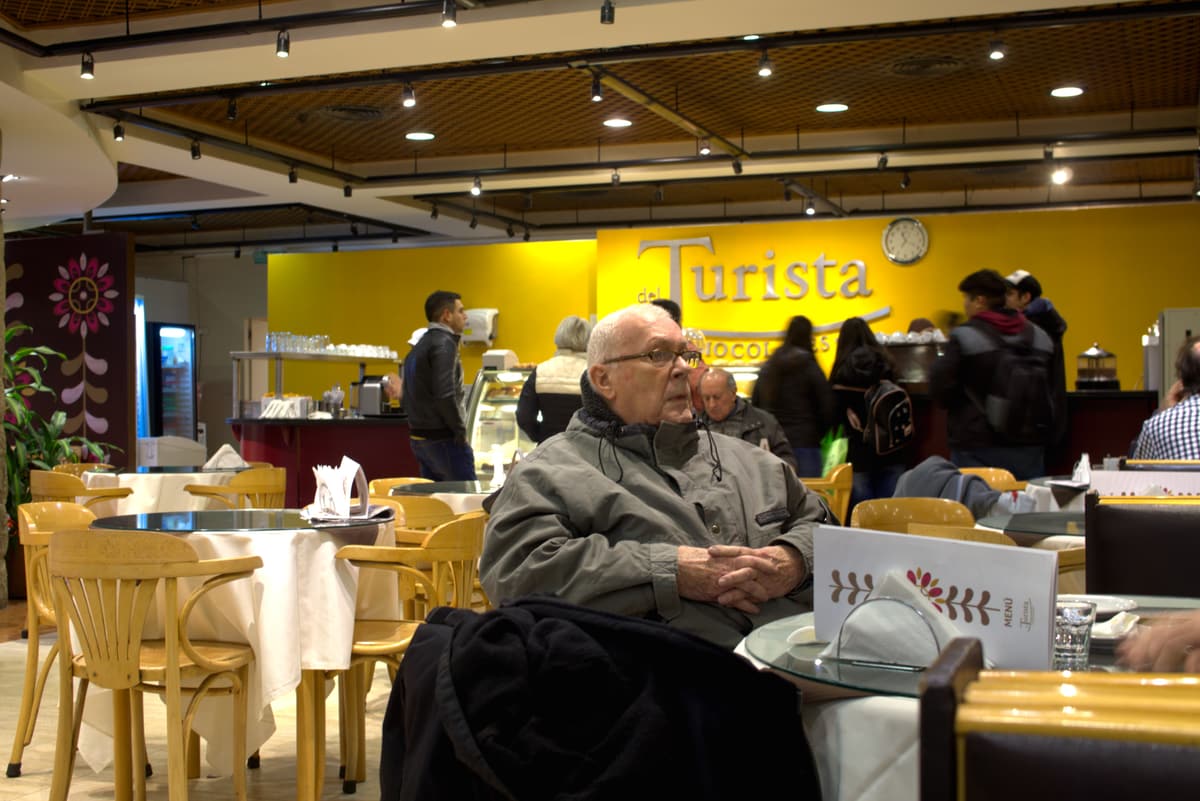
Bariloche’s chocolate tradition came with Central European immigrants, and the big family houses — Mamuschka, Rapanui, Del Turista, Abuela Goye and others — cluster along Calle Mitre. Try the rama (chocolate bark) and a submarino (hot milk with a bar of chocolate dropped in). A guided chocolate walk helps you taste your way through them.
Craft beer and Patagonian food
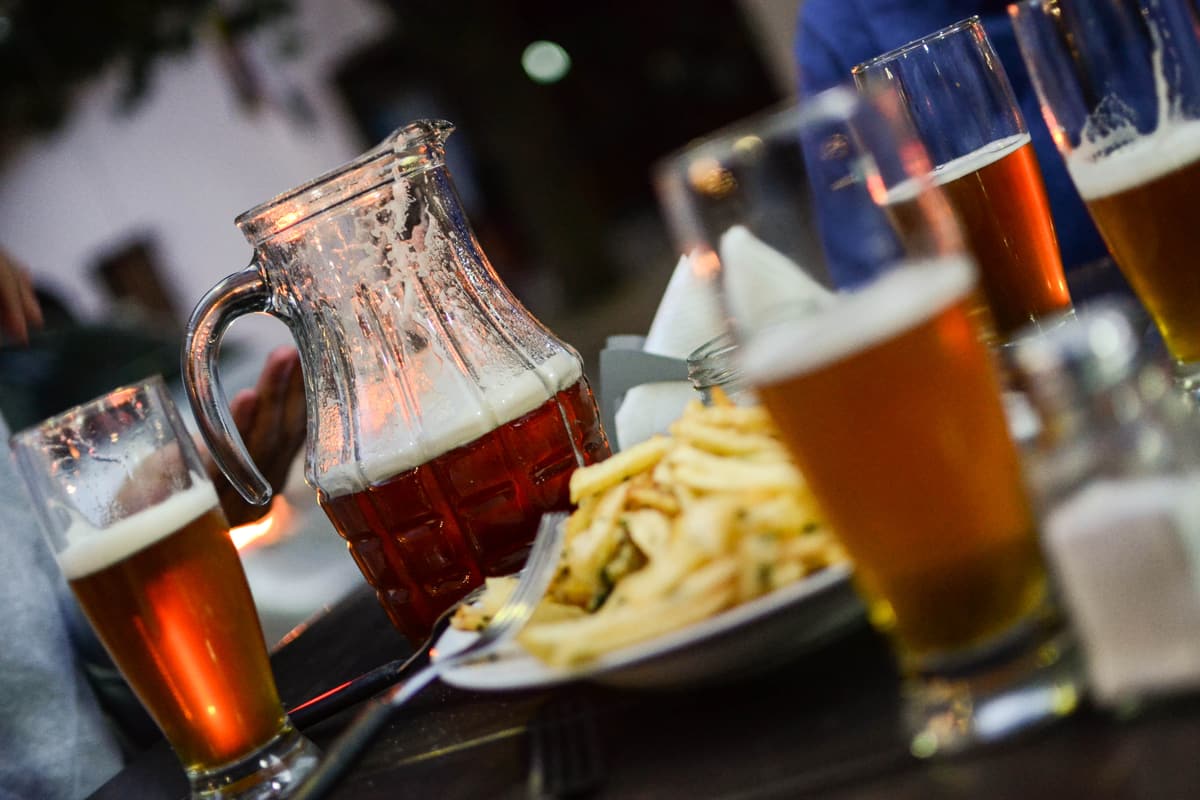
The city has dozens of breweries, from brewpubs in the centre to big lakeside beer gardens on the road west. Pair it with cordero patagónico (spit-roasted lamb), trout from the lakes, smoked meats from Colonia Suiza and wild-berry desserts.
The costanera and the lake
Walk the lakeside promenade at sunset, watch the kitesurfers when the westerly blows, and look for the Catedral de San Carlos de Bariloche, the neo-Gothic church just east of the centre. The water is cold year-round — swimming is for the sheltered beaches of Playa Bonita or Lago Gutiérrez in summer.
How to get to San Carlos de Bariloche
- By air: Bariloche airport (BRC) is about 15 km east of the centre, with flights from Buenos Aires and, in season, from other Argentine and Brazilian cities.
- By bus: long-distance coaches run from Buenos Aires (roughly 20–22 hours), Mendoza, Neuquén and Chile. The terminal is a short taxi ride east of the centre.
- From Chile: by road over the Cardenal Samoré pass from Osorno, or by the Cruce Andino lakes crossing from Puerto Varas.
- See our full getting to Bariloche guide.
Insider tips
- Stay west of the centre along Avenida Bustillo for lake views and quiet; stay central if you have no car and want restaurants on foot.
- City buses need a rechargeable SUBE card, bought and topped up at kiosks — buy one on day one.
- July (winter holidays) and January–February are peak season: book hotels and boat trips well ahead.
- Restaurants open late: dinner starts around 20:30 and gets busy after 21:30.
Best tours & tickets for San Carlos de Bariloche
These experiences are the easiest way to see San Carlos de Bariloche and the landscapes around it:
Food tour Bariloche Chocolate Tour: Patagonian Flavors Walking Tour
Bariloche is Argentina’s chocolate capital, and this walking tour explains why — the Central European immigrants, the family chocolaterías on Calle Mitre, the rama (chocolate bark) and the rivalry between the big houses — with tastings along the way.
- Tastings in the classic shops of Calle Mitre
- The story of Bariloche’s chocolate tradition
- A visit to a chocolate museum
 Food & drink tour
 Bariloche: Beer Tour through 3 Breweries
Bariloche has one of the liveliest craft-beer scenes in South America. This tour visits three breweries — typically including Berlina in Colonia Suiza and Patagonia on the Circuito Chico — with an explanation of the brewing process and tastings at each stop.
- Three Bariloche craft breweries with tastings
- How Patagonian beer is brewed
- Round-trip transport — nobody has to drive
 Sightseeing tour
 Chico Circuit and Cerro Campanario
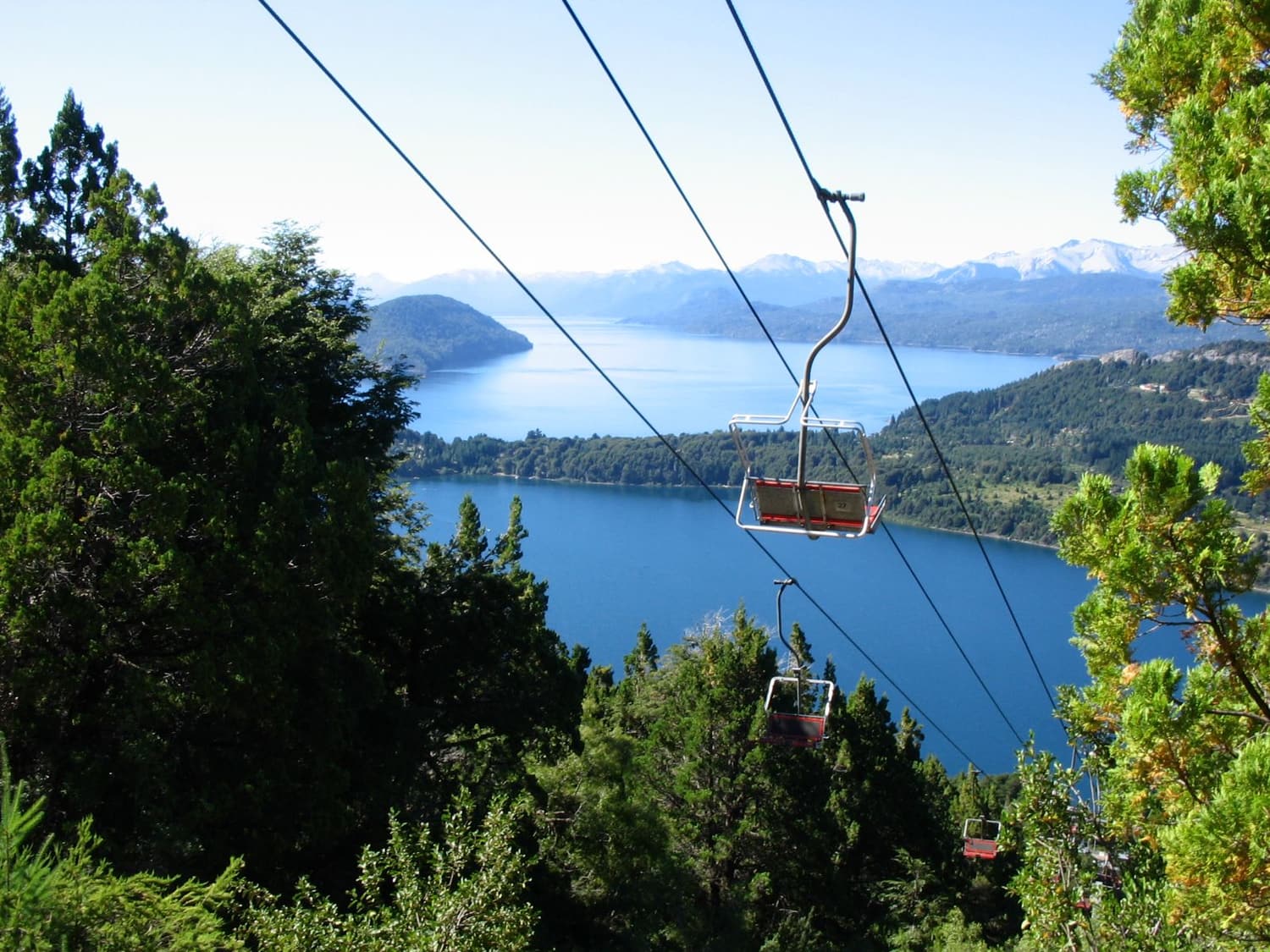
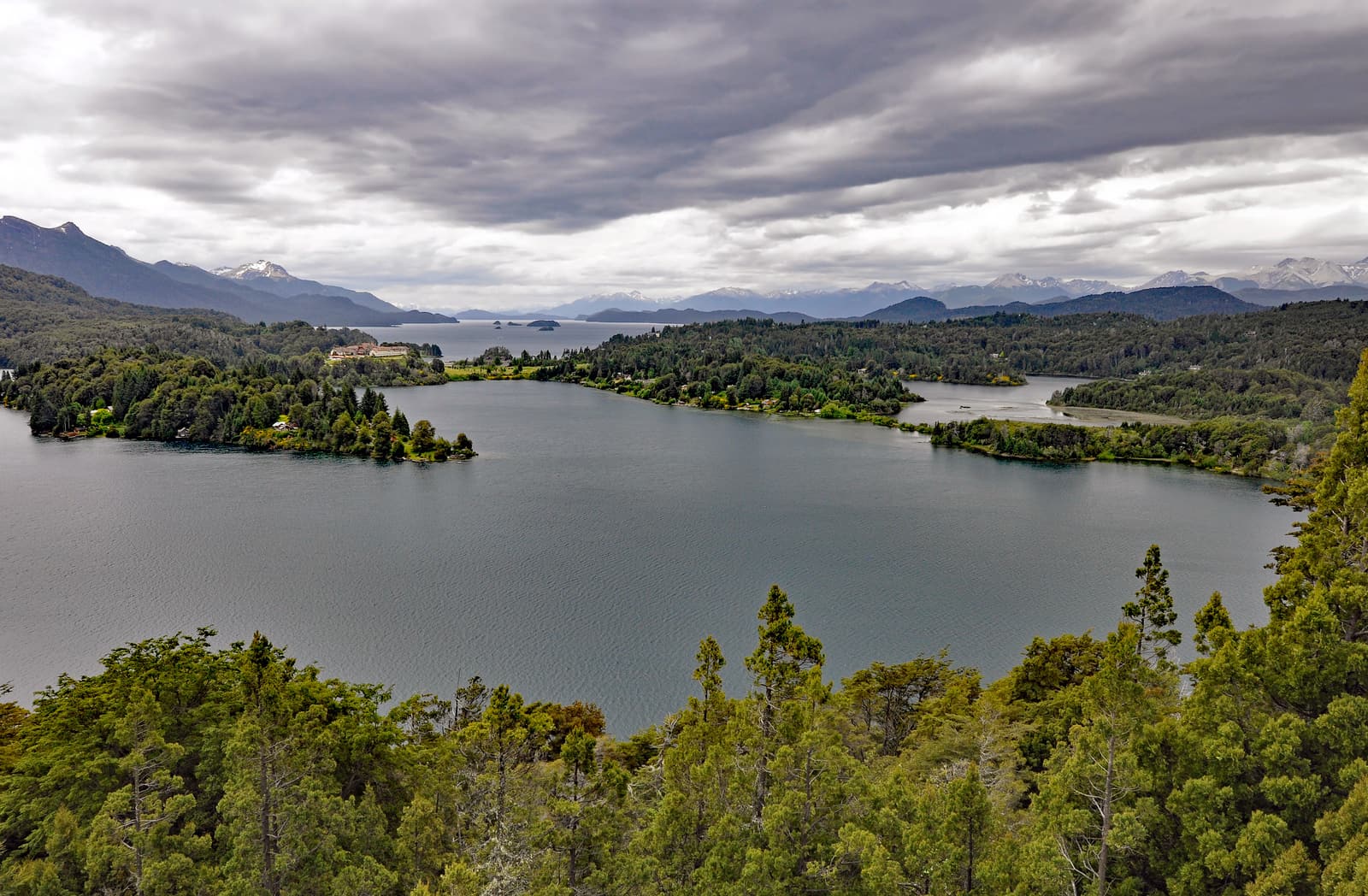
The best first afternoon in Bariloche. A guided minibus loop along Avenida Bustillo and the Llao Llao peninsula, with a stop at the foot of Cerro Campanario — whose chairlift leads to the view many visitors call the finest in Argentina — plus the Punto Panorámico lookout and Puerto Pañuelo.
- The classic 60 km lakeshore loop west of town
- Chairlift up Cerro Campanario (ticket extra)
- Llao Llao Hotel, San Eduardo chapel and Punto Panorámico